How to identify the Irish chickless penny variety ireland coins coinage

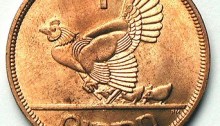
O’Brien Coin Guide: How to identify the Irish “Chickless” Penny Variety

The ‘chickless’ variety is probably a die flaw caused by normal ‘wear and tear’ on the dies during the minting process.  This variety has become very popular with collectors over the past decade and some claim to have evidence of “progressive wear across several examples of 1968 pennies” leading to a chickless coin. The most…

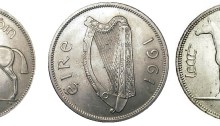
1961 Ireland Halfcrown - the differences between the normal and mule reverse

O’Brien Coin Guide: How to identify the Irish 1961 Halfcrown ‘Mule’ variety

The 1961 ‘mule’ halfcrown was struck in error (or, possibly deliberately) from a reverse die from the 1928-37 type.  In 1938 the halfcrown reverse – the side with the horse on it – had been redesigned to improve the striking characteristics of the coin.  A single example of the 1938 trial of the new die…

Ireland Irish coin sixpence reverse

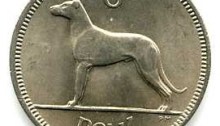
O’Brien Coin Guide: Irish Pre-Decimal Sixpence

The sixpence (6d) (Irish: reul) coin was a sub-division of the pre-decimal Irish pound, worth 1/40 of a pound or ½ of a shilling.  It ‘nickname’ was a ‘tanner’ and it is thought that this is from John Sigismund Tanner, originally from Saxe-Coburg, who was a medallist and designer at the Royal Mint.  The sixpence he designed for George II…

Ireland 1928 threepence coin ireland saorstat eireann eire percy metcalfe

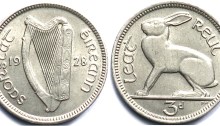
O’Brien Coin Guide: Irish Pre-Decimal Threepence

The threepence (3d) (Irish: leath reul) coin was an Irish pre-decimal coin and a great favourite of golfers who often used it as a green marker.  There were 4 threepences to a shilling and 80 to an old pound.  The Irish name (leath reul) literally meant “half a sixpence” and, unlike many other Irish coins of the time, it…

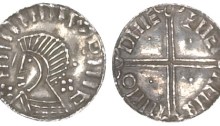
Hiberno-Manx silver penny, viking, Phase II imitation, isle of man, feremin,

O’Brien Coin Guide: The enigma of the Hiberno-Manx Coinages of the mid-11th Century

I am frequently asked the following questions and I openly admit to struggle to answer them adequately – the negative side of being a generalist dealer (constantly buying old attic finds and selling oddments from same), as opposed to being a specialist numismatic expert like so many of my much more knowledgeable customers. Who ordered…

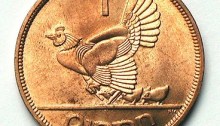
1928-68 Irish Penny (reverse design)

O’Brien Coin Guide: Irish Pre-Decimal Penny

The penny (1d) (Irish: pingin) coin was the third smallest denomination of the pre-decimal Irish pound.  There were 12 to a shilling, 24 to a florin and 240 to a pound.  To express an amount, penny was abbreviated to “d”, e.g. shortened from dwt, or pennyweight. The penny is one of the longest circulating coin denominations in Europe –…

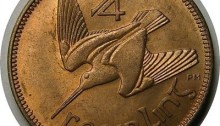
1928-66 Irish Farthing (reverse design)

O’Brien Coin Guide: Irish Pre-Decimal Farthing

Ireland is one of only four nations to issue farthing coins in the 20th century.  The other three countries to circulate farthings were the UK (1900-1956), South Africa (1923-60), and Jamaica (1900-63). British farthings ceased to be legal currency in 1960 The farthings of South Africa, Jamaica and Ireland ceased to be legal currency in 1961, 1969…

O’Brien Coin Guide: Roman Emperors and their Coins, Part IV

The Year of the Five Emperors (AD 192 – 193) Pertinax The ‘Year of the Five Emperors’ refers to the year AD 193, in which there were five claimants for the title of Roman Emperor – Pertinax, Didius Julianus, Pescennius Niger, Clodius Albinus and Septimius Severus. The year opened with news of the murder of Commodus…