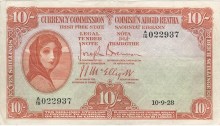
1928 Currency Commission of the Irish Free State, Ten Shillings, Type 1a (Joseph Brennan / James J. McElligott). The Old Currency Exchange, Dublin, Ireland

Modern Irish Banknotes: Currency Commission of the Irish Free State – Ten Shillings (Type 1a – Fractional prefix)

Date: 1928 Description: A Currency Commission of the Irish Free State, Ten Shillings, Type 1a (Fractional Prefix). Signed by Joseph Brennan / James J. McElligott. Designer: John Harrison, Chief Portrait Engraver of Waterlow and Sons Ltd, London Engraved and printed by Waterlow & Sons, on Portal’s paper, in London Size: 78mm x 138mm Known Dates:…
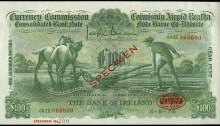
£100 ploughman, Bank of Ireland, One Hundred Pounds, specimen 1978 obverse. The Old Currency Exchange, Dublin, Ireland.

O’Brien Banknote Price Guide 2016: Ploughman £20, £50 and £100 notes (Specimens, Colour Trials & Proofs)

Withdrawal from Circulation: According to Central Bank of Ireland records, all £20, £50 and £100 ‘ploughman’ notes were successfully withdrawn from circulation, i.e. there are no ‘circulating’ examples left for collectors to collect. That said, the remaining £1, £5 and £10 ‘ploughman’ notes aren’t exactly common nowadays either – as per table below: Estimated Number…

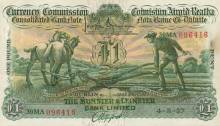
£1 Munster & Leinster Bank "Ploughman" note, dated 04 May 1937 - how much are Irish banknotes worth?

O’Brien Banknote Price Guide 2016: Ploughman £1 notes

2016 Market Values Last year (2015) saw a vibrant market for Ploughman £1 notes with many new collectors entering an already crowded field. The one pound Ploughman is the most affordable of the Consolidated Banks series and is, therefore the most popular starting point for this most elusive of modern Irish banknotes . Increased demand…

1929 £10 Consolidated Banks - Provincial Bank of Ireland (front) Unc

O’Brien Rare Banknote Review: Ploughman Notes (Provincial Bank of Ireland)

Introduction The Provincial Bank of Ireland was established in 1825, pioneered branch banking in Ireland. The terms, rights and privileges of the Bank of Ireland allowed it to effectively strangle the development of banking in Ireland until the Irish Banking Crisis that followed the post-Napoleonic War Depression. The Bank of Ireland effectively held a monopoly…