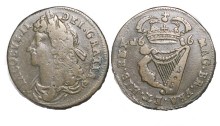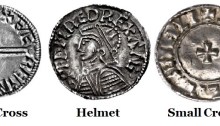
There are five main classes of coins in the Hiberno-Norse, Phase I series

O’Brien Rare Coin Guide: Hiberno-Norse, Phase 1 (AD 995–1018)

Introduction The first phase of the Hiberno-Norse coinages were imitations of contemporary Anglo-Saxon coins. They were produced in Dublin but closely copied the style of the silver pennies of Aethelred II of England and his successor Cnut. Since the English coin designs changed periodically, the dating and sequence of their Hiberno-Norse equivalents can be identified…
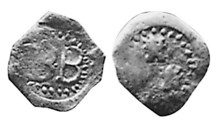
1647 Bandon farthing - Obverse BB in circle, Reverse 3 castles, 1 above 2 in circle

O’Brien Rare Coin Review: Coinage of the Cities of Refuge (Bandon 1646-49)

Bandon in 1641 The rural counties of Leinster, Munster and Ulster were sparsely populated by Protestant settlers that had been given land in recent plantations. In many places, the Catholic tenants that had previously worked the farms were still in the locality and subsisted as landless outlaws (woodkerne, or tories). When rebellion broke out, some…

O’Brien Coin Price Guide: Irish Pre-Decimal Farthing

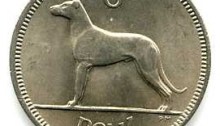
2018 Market Values Irish Free State (Saorstát Éireann) YEAR   VF 20 XF40 AU50 MS61 RB PF66 R Mintage Fine Very Fine Ex. Fine Uncirculated Proof (FDC) 1928 300,000 €2.25 €4.00 €7.00 €14.00 €30.00 1930 288,000 €3.50 €6.00 €15.00 €25.00 1931 192,000 €4.00 €7.50 €20.00 €35.00 €500.00 1932 192,000 €4.00 €8.00 €20.00 €35.00 1933 480,000…

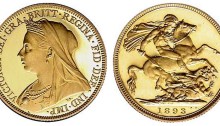
1893 Victoria widow head

O’Brien Coin Guide: Mintages for British Gold Sovereigns

The British gold sovereign is one of the most ‘collected’ gold coins in Ireland today. We used it when we were part of the UK and it would seem that we are still hoarding them. Named after the English gold sovereign, previously last minted in 1604, the name was revived with the Great Re-coinage of…

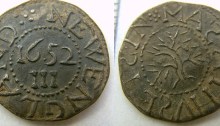
1652 Massachussets "oak tree" silver threepence

How NOT to sell “the gem” in your coin collection … an example of a ‘numismatic’ marketing faux pas !

It is every metal detector’s dream to find something worth a million, although most of them do it for the exercise, the fresh air and the fun they have in researching their smaller finds. Its about the history. I was very surprised and impressed to discover that most detectorists donate their finds to local museums…