Lady Lavery Notes - The Old Currency Exchange, Dublin, Ireland

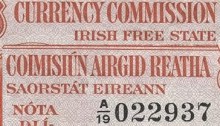
Irish Banknote Guide: The Transition from Irish Joint-Stock Bank Issues to Central Bank of Ireland Banknotes (1922-1943)

Introduction: The idea of a separate currency goes back to the sitting of the First Dáil Éireann in 1919 as this newly declared independent parliament declared its intention to govern all 32 counties of Ireland. Many Irish politicians declared that they wanted a completely independent republic – as called for in various speeches in the…

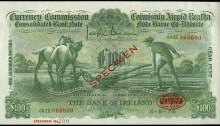
£100 ploughman, Bank of Ireland, One Hundred Pounds, specimen 1978 obverse. The Old Currency Exchange, Dublin, Ireland.

O’Brien Banknote Price Guide 2016: Ploughman £20, £50 and £100 notes (Specimens, Colour Trials & Proofs)

Withdrawal from Circulation: According to Central Bank of Ireland records, all £20, £50 and £100 ‘ploughman’ notes were successfully withdrawn from circulation, i.e. there are no ‘circulating’ examples left for collectors to collect. That said, the remaining £1, £5 and £10 ‘ploughman’ notes aren’t exactly common nowadays either – as per table below: Estimated Number…

The new Central Bank of Ireland building on Dublin North Quays

Exciting news for Irish Numismatic historians as the Central Bank of Ireland opens its archives for public research

The Central Bank of Ireland has opened its archives to the public for the first time and we hope that many unanswered questions of Irish numismatic interest can, at last, be answered. These archives include a range of materials created and acquired by the bank – such as objects, documents and ledgers dating from 1786…