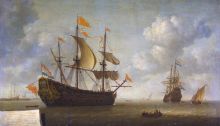
Arrival of the English Flagship Royal Charles, painting by Jeronymus van Diest II from the Rijksmuseum Amsterdam (note the Dutch flag at the rear and English flag flying upside down from the main mast)

Financial Crisis (1667) avoided by Charles II, via London Goldsmiths’ Loans

Background After a brief hiatus of experimentation with a pseudo-republican government under Oliver Cromwell, the English monarchy was reinstated in 1660 but Charles II began his reign with vastly reduced powers, especially in the realm of taxation – responsibility for which had been transferred to Parliament. This was a major restriction on Charles II and…

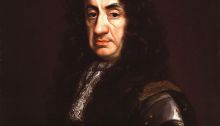
Charles II, King of England, Scotland and Ireland, by John Riley

Banking Collapse in London (1676) as Charles II Defaults on Royal Loans

Background The Great Stop of 1672 caused five of the leading London Goldsmiths to go bust, drastically affected nine others, and ‘financially embarrassed over 10,000 wealthy families in England. The Great Stop effectively ended the ‘cosy relationship’ between the king and a small clique of private bankers that thrived on the Crown’s inability to generate…

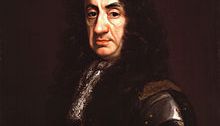
Portrait of King Charles II, by John Riley

Proclamation of Charles II, 1672 (making current Royal Farthings and Halfpennys)

Proclamation of Charles II, Issued 16 August 1672 Making Current the Royal Farthings and Halfpennys and Forbidding the Use of All Others By the King. A Proclamation for making currant His Majestie’s Farthings and Half-pence of Copper, and forbidding all others to be used. Charles R. Whereas of late years several Persons and Corporations, upon…

Portrait of King Charles II, by John Riley

Proclamation of Charles II, 1674: prohibiting farthings, half-pence, or pence of brass with private stamps

Proclamation of Charles II, issued 5th December 1674 Enjoining the Prosecution of Persons making or uttering farthings, half-pence, or pence of brass with private stamps   By the King. A Proclamation enjoining the prosecution of all such persons as shall make or utter any farthings, half-pence, or pence of brass, or utter base metals with…

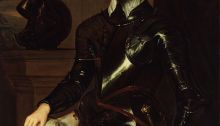
Thomas Wentworth, 1st Earl of Strafford, by Sir Anthony Van Dyck (died 1641), National Portrait Gallery, London. Wentworth was appointed Lord Deputy of Ireland in 1632 and his main purpose, openly proclaimed, was to rule Ireland well in order to supply men and money to the King. He would make the country prosperous in order to wring from it abundant taxes for his sovereign; but he aimed at its entire submission and the transference of what remained of Irish soil to English owners. And so well did he succeed that he was able to boast at the end of his term of office that he had left the country prospering, its debts paid, its revenues increased, the army paid and disciplined, the poor relieved, the rich awed, and justice done to all alike. This said, his disdain of the Irish, his ruthless policies in overseeing the new plantations in Ulster, Wexford, and Longford, plus his extension of these into Connacht drove the Irish into open and uncontrolled rebellion in 1642

Timeline 1640: Prologue to Rebellion in Ireland & Civil War in England

Timeline 1640 (Julian dates have been adjusted to modern time frame) The Irish Uprising of 1641 was a long-term result of the “plantation” policy of Tudor and Stuart monarchs under which Ireland was aggressively colonised by Protestant settlers from England and Scotland. From the mid-16th century, Irish landowners were dispossessed to make way for the settlers…